
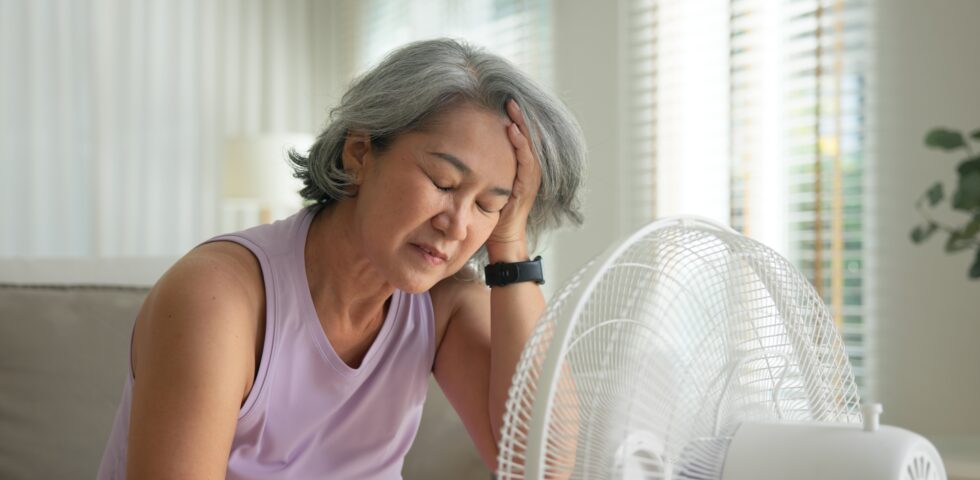
For many women, menopause and the years leading up to it can feel like stepping into uncharted territory. The symptoms are real, the changes can be intense, and the experience is deeply personal. Yet, despite affecting every woman at some point, this phase of life is still surrounded by silence and misunderstanding.
Let’s break that silence and talk about perimenopause, menopause, and one of their most well-known symptoms: hot flashes.
What Is Menopause?
Menopause marks the end of a woman’s menstrual cycles and fertility. It’s officially diagnosed after you’ve gone 12 consecutive months without a period, typically between the ages of 45 and 55, though it can occur earlier or later.
Menopause is a natural biological process, not a disease. However, the hormonal changes involved—especially the drop in estrogen and progesterone—can lead to a range of physical and emotional symptoms.
Perimenopause: The Transitional Phase
Before menopause comes perimenopause, often starting in a woman’s 40s, but sometimes as early as the mid-30s. Perimenopause can last 4 to 10 years, and it’s during this time that most symptoms begin to appear.
Common signs of perimenopause:
- Irregular periods
- Heavier or lighter bleeding
- Mood swings or increased anxiety
- Sleep disturbances
- Vaginal dryness
- Decreased libido
- Breast tenderness
- Hot flashes and night sweats
Hormones fluctuate wildly during perimenopause, which explains the rollercoaster of symptoms. Some months you may feel completely normal; others, not so much.
Hot Flashes: What Are They and Why Do They Happen?
Hot flashes are sudden feelings of heat, often accompanied by:
- Flushed skin (especially the face and chest)
- Rapid heartbeat
- Sweating
- Chills or shivering after the flash
- A feeling of anxiety or panic
They can last anywhere from 30 seconds to 10 minutes and may happen a few times a week—or multiple times a day.
What causes hot flashes during menopause?
While the exact cause isn’t fully understood, they are believed to be related to the drop in estrogen, which affects the body’s temperature regulation center in the brain (the hypothalamus). Essentially, your body becomes more sensitive to slight changes in temperature, triggering these “flashes” of heat in response.
How to Manage Menopause and Hot Flashes Naturally and Medically
The good news? You don’t have to suffer through it. Many strategies can help manage perimenopause and menopause symptoms—both lifestyle changes and medical options.
Lifestyle strategies:
- Dress in layers to adjust to temperature changes easily.
- Avoid triggers such as spicy foods, caffeine, and alcohol.
- Practice stress reduction through yoga, meditation, or breathing exercises.
- Keep your bedroom cool and use fans or moisture-wicking bedding.
- Exercise regularly, which may help with mood and sleep as well as reduce hot flash frequency.
Medical treatments:
- Hormone Replacement Therapy (HRT): The most effective treatment for hot flashes, but not suitable for everyone.• Non-hormonal medications: Like certain antidepressants, gabapentin, or clonidine.
- Vaginal estrogen therapy: For local symptoms like dryness or discomfort.
- Natural menopause relief options: Some women find relief from black cohosh, evening primrose oil, or acupuncture—though evidence is mixed, and it’s best to consult a healthcare provider first.
Emotional Wellbeing and Support
Menopause isn’t just physical—it can affect your mental and emotional health too. Feelings of sadness, anxiety, or mood swings are common and valid. Talk to your doctor, consider counseling, or seek support from friends or online communities. You’re not alone in this journey.
Final Thoughts
Menopause and perimenopause mark a significant shift, but they’re not the end of vitality, sexuality, or health—they’re simply the beginning of a new chapter. With the right knowledge and support, women can navigate this transition with confidence, clarity, and strength, while getting the menopause or perimenopause treatment(s) they need.
Have questions about menopause or want help managing symptoms? Don’t hesitate to reach out to Dr. Robin Ridinger of Premier Health and Holistic Medicine in Leesburg, Virginia today! With over 30 years of medical experience, Dr. Ridinger is an ideal choice for your perimenopause and menopause questions and concerns. Don’t delay! schedule now on our website or over the phone today!
📞 Phone #: (703) 857-4280
🌐 Website: Contact Premier Health and Holistic Medicine
