
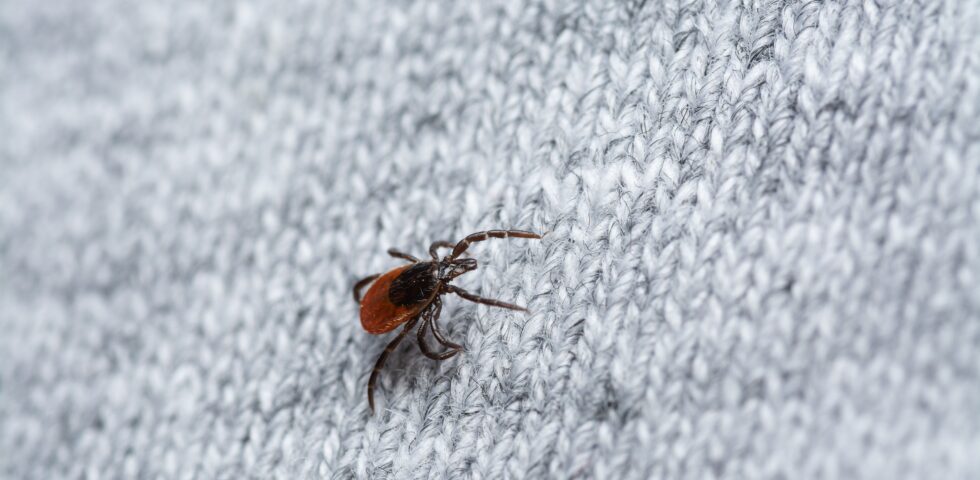
Introduction: Why Tick-Borne Diseases Are Rising
Tick-borne illnesses are on the rise across the United States and globally, with expanding tick habitats increasing human exposure. While Lyme disease is the most widely recognized, emerging infections like Borrelia miyamotoi are gaining attention among researchers and clinicians.
Understanding these diseases is critical for early diagnosis and effective treatment.
What Is Lyme Disease?
Lyme disease is caused by the bacterium Borrelia burgdorferi and transmitted through blacklegged tick bites.
Common Lyme Disease Symptoms
- Bullseye rash (erythema migrans)
- Fever, chills, and fatigue
- Joint pain and muscle aches
- Neurological complications if untreated
Why Early Detection Matters
Prompt antibiotic treatment is highly effective. Delayed treatment can lead to chronic complications affecting joints, the heart, and the nervous system.
What Is Borrelia Miyamotoi Infection?
Borrelia miyamotoi causes a lesser-known illness often confused with Lyme disease.
Key Symptoms of Borrelia Miyamotoi
- Recurring (relapsing) fever
- Severe headaches
- Fatigue and chills
- Muscle and joint pain
Unlike Lyme disease, this infection rarely causes a rash, making it harder to recognize and because awareness is low and testing is specialized, many cases go undiagnosed or misdiagnosed as viral illnesses.
What Is Hard Tick Relapsing Fever (HTRF)?
Hard Tick Relapsing Fever is a broader category of illness caused by Borrelia bacteria transmitted by hard ticks.
Symptoms of Hard Tick Relapsing Fever
- Recurrent fever cycles
- Flu-like illness
- Sweats and chills
- Fatigue
A defining feature is the relapsing fever pattern, caused by the bacteria’s ability to evade the immune system through antigenic variation.
Lyme Disease, Borrelia Miyamotoi, and Hard Tick Relapsing Fever: Key Differences
| Feature | Lyme Disease | Borrelia Miyamotoi | Hard Tick Relapsing Fever |
|---|---|---|---|
| Rash | Common | Rare | Rare |
| Fever | Persistent | Relapsing | Relapsing |
| Cause | Borrelia burgdorferi | Borrelia miyamotoi | Multiple Borrelia species |
| Awareness | High | Low | Emerging |
| Diagnosis | Standard testing | Specialized testing | Often overlooked |
How to Prevent Tick-Borne Diseases
Preventing tick bites is the most effective way to avoid all three conditions.
Tick Prevention Tips
- Use EPA-approved insect repellents
- Wear long sleeves and protective clothing
- Avoid tall grass and wooded areas
- Perform daily tick checks
- Shower after outdoor exposure
When to See a Doctor
If you experience flu-like symptoms, unexplained fever, or fatigue after spending time outdoors, consult a healthcare provider. Mention possible tick exposure to improve diagnostic accuracy.
Conclusion: Awareness Is Your Best Protection
While Lyme disease remains the most common tick-borne illness, infections like Borrelia miyamotoi and Hard Tick Relapsing Fever highlight the complexity of tick-borne diseases.
Improved awareness, prevention, and early diagnosis can significantly reduce the risk of severe complications.
Don’t risk putting off treatment; help is available now at Premier Health and Holistic Medicine in Leesburg, VA! With over 30 years of medical experience, Dr. Robin Ridinger takes the time to analyze all treatment options and curate a health plan that works for you. Schedule a consultation on our website or over the phone today!
Call: (703) 857-4280
Contact Us: Lyme Disease Treatment – Leesburg, Virginia | Premier Health
