
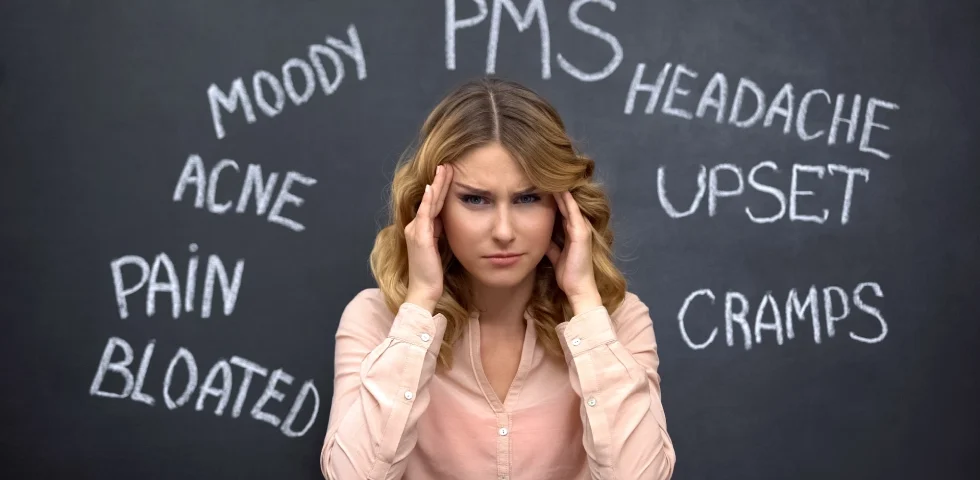
Estrogen dominance is one of the most common hormone imbalances people experience—especially during their 30s, 40s, and perimenopause years. It occurs when estrogen levels are too high relative to progesterone, or when the body becomes overly sensitive to estrogen.
This imbalance can trigger symptoms ranging from bloating and PMS to mood changes and heavy periods—and many people struggle for years without clear answers.
Below, we break down what estrogen dominance is, what causes it, and the most effective ways to support balanced hormones naturally.
What Is Estrogen Dominance?
Estrogen dominance refers to a state where:
- The body produces excess estrogen
- Progesterone is too low to counterbalance estrogen
- The body is exposed to environmental estrogens (xenoestrogens)
- Estrogen detoxification pathways are sluggish or impaired
Estrogen and progesterone work in harmony. When estrogen becomes the “stronger” signal, its effects can intensify—leading to a wide range of physical and emotional symptoms.
Symptoms of Estrogen Dominance
Estrogen dominance can affect multiple systems in the body. Common symptoms include:
Physical Symptoms
- Bloating or water retention
- Breast tenderness or swelling
- Heavy or painful menstrual cycles
- Irregular periods
- Weight gain (hips, thighs, lower belly)
- Fatigue
- Migraines or headaches
- Worsening PMS
- Low libido
Mood & Cognitive Symptoms
- Anxiety
- Irritability
- Mood swings
- Brain fog
Potential Long-Term Concerns
Ongoing estrogen dominance may contribute to:
- Fibroids
- Endometriosis
- PMS/PMDD
- Thyroid dysfunction
- Insulin resistance
- Intensified perimenopause symptoms
Common Causes of Estrogen Dominance
Estrogen dominance often develops from a combination of lifestyle, environmental, and biological factors.
1. Chronic Stress & Low Progesterone
High cortisol can “steal” resources needed to produce progesterone. Low progesterone creates a relative estrogen excess.
2. Sluggish Estrogen Detoxification
The liver plays a crucial role in metabolizing estrogen. When detox pathways slow down, estrogen may recirculate instead of being eliminated.
3. Gut Imbalances (Estrobolome Dysfunction)
Certain gut bacteria help break down estrogen. If the microbiome is unbalanced, estrogen can be reabsorbed instead of excreted.
4. Exposure to Xenoestrogens
Environmental estrogens—found in plastics (BPA), cosmetics, pesticides, and cleaning products—can mimic estrogen in the body and increase the overall estrogen load.
5. Perimenopause Hormone Fluctuations
During the late 30s and 40s, progesterone naturally declines. Even normal estrogen levels may appear “dominant” as progesterone dips.
6. Diet & Lifestyle Factors
- High sugar or processed foods
- Excess alcohol
- Low-fiber diets
- Sedentary habits
These can all influence hormone production and detoxification.
How to Reduce Estrogen Dominance Naturally
While it’s important to work with a healthcare provider for personalized care, several evidence-informed strategies can support hormone balance.
1. Support Liver Detoxification
Foods that help with estrogen metabolism include:
- Cruciferous veggies (broccoli, cauliflower, Brussels sprouts)
- Leafy greens
- Citrus fruits
- Turmeric, ginger, garlic
Supplements like DIM or calcium-D-glucarate may help but should be discussed with a professional.
2. Improve Gut Health
A balanced gut supports healthy estrogen elimination.
Aim for:
- 25–35 g of fiber daily
- Probiotic-rich foods (yogurt, kimchi, sauerkraut)
- Reduced alcohol intake
3. Reduce Xenoestrogen Exposure
Easy lifestyle swaps:
- Use glass or stainless-steel containers
- Avoid heating food in plastic
- Choose low-toxin skincare and household cleaners
- Filter drinking water if needed
4. Support Progesterone Naturally
Progesterone thrives when you:
- Prioritize 7–9 hours of sleep
- Manage daily stress
- Eat adequate healthy fats
- Keep blood sugar stable
5. Move Your Body Daily
Exercise improves estrogen metabolism. Even 30 minutes of moderate movement—like brisk walking—supports better hormonal balance.
When to See a Healthcare Provider
Seek guidance if you experience:
- Heavy bleeding affecting daily life
- Severe PMS or PMDD symptoms
- Unexplained weight changes
- Painful periods
- Fertility concerns
Testing may include serum hormone levels or cycle mapping. Remember: estrogen dominance may not always show up as high estrogen—it’s often the ratio to progesterone that matters.
Final Thoughts
Estrogen is essential for mood, energy, bone health, and metabolism. The goal isn’t to eliminate estrogen—it’s to create balance.
If you’ve been feeling “off” hormonally, your symptoms are valid and worth investigating. With the right lifestyle shifts and support, many people restore balance and feel like themselves again. If you’re ready to begin the shift towards feeling like yourself again, then schedule an appointment with Dr. Robin Ridinger of Premier Health and Holistic Medicine in Leesburg, Virginia today! With over 30 years of medical experience, Dr. Ridinger is an ideal choice when it comes to estrogen dominance and hormone imbalances. Schedule now on our website or over the phone today!
📞 Phone #: (703) 857-4280
🌐 Website: Contact Premier Health and Holistic Medicine
