
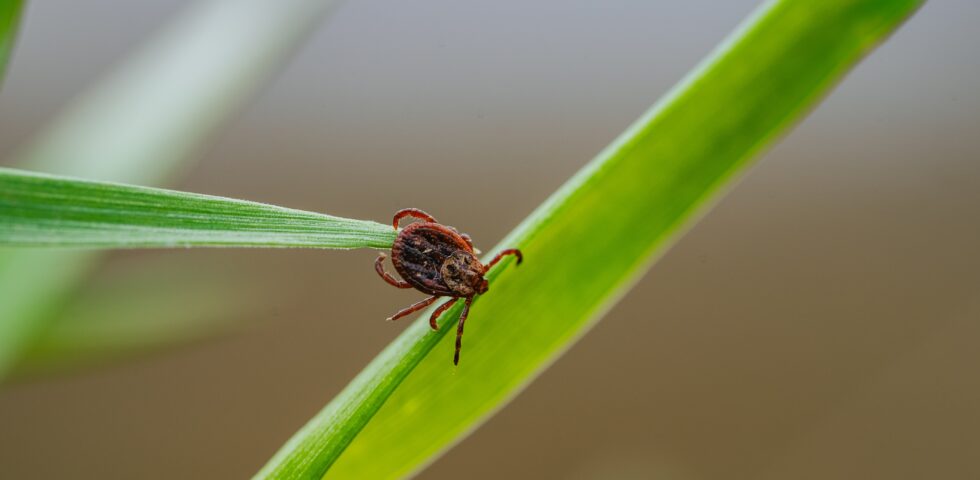
When it comes to tick-borne illnesses, most people are familiar with Lyme disease, caused by Borrelia burgdorferi. But Lyme disease rarely acts alone. Many patients bitten by ticks are exposed to coinfections, which can make symptoms more severe and recovery more complex.
Two of the most common—and often overlooked—Lyme disease coinfections are Bartonella and Babesia.
These infections can cause a wide range of chronic symptoms, often mimicking other illnesses and making diagnosis difficult. Understanding Bartonella and Babesia is essential for anyone dealing with chronic Lyme disease, tick-borne illness, or unexplained fatigue and pain.
What Is Bartonella?
Bartonella is a type of bacteria that infects both humans and animals. The most wellknown species, Bartonella henselae, causes cat scratch disease, but many other Bartonella species can infect humans. These bacteria are transmitted by ticks, fleas, lice, and animal bites or scratches.
Once inside the body, Bartonella infects red blood cells and blood vessel walls, allowing it to persist for years if untreated. This can lead to chronic inflammation, neurological issues, and immune dysfunction.
Common Bartonella Symptoms
- Fatigue, brain fog, and insomnia
- Burning or shooting nerve pain
- Muscle and joint pain
- Swollen lymph nodes
- Red or purple stretch-mark-like rashes (Bartonella striae)
- Anxiety, irritability, or depression
- Eye problems such as blurred vision or light sensitivity
Because these symptoms overlap with Lyme disease and other infections, Bartonella testing is often necessary for proper diagnosis.
What Is Babesia?
Babesia is a malaria-like parasite that infects red blood cells. It’s transmitted by the same black-legged ticks (Ixodes species) that carry Lyme disease. The most common strains in the U.S. are Babesia microti and Babesia duncani.
Infection with Babesia is called Babesiosis. It can range from mild to severe and sometimes becomes life-threatening in people with weakened immune systems or without a spleen.
Common Babesia Symptoms
- Air hunger or shortness of breath
- Night sweats and chills
- Fevers and headaches
- Dizziness or imbalance
- Fatigue and muscle weakness
- Heart palpitations
- Low blood pressure or anemia
Since Babesia lives inside red blood cells, standard antibiotics used for Lyme disease do not work against it. Babesia treatment requires antiparasitic medications.
Why Bartonella and Babesia Coinfections Matter
When Lyme disease is accompanied by Bartonella or Babesia, symptoms can intensify and recovery becomes more complex. These coinfections can:
- Weaken the immune system
- Cause persistent or relapsing symptoms
- Reduce the effectiveness of standard Lyme antibiotics
- Lead to misdiagnosis or treatment failure
Because each infection requires a different treatment approach—bacterial, parasitic, or both—accurate diagnosis is crucial for long-term recovery.
Diagnosing Bartonella and Babesia
Testing for Bartonella and Babesia can be challenging. Standard blood tests often miss chronic infections due to low pathogen levels. More advanced diagnostics include:
- PCR testing (Polymerase Chain Reaction) to detect bacterial or parasitic DNA
- FISH testing (Fluorescent In Situ Hybridization) for Babesia
- Blood smears and microscopy for Babesia parasites
- Specialized Bartonella antibody panels from Lyme-focused laboratories
Clinicians often rely on a clinical diagnosis—based on symptoms and exposure history— alongside lab results to confirm coinfections.
Treatment Options for Bartonella and Babesia
Bartonella Treatment
Bartonella typically requires combination antibiotic therapy to penetrate blood cells and tissues. Commonly used medications include:
- Doxycycline
- Azithromycin or clarithromycin
- Rifampin or rifabutin
Integrative practitioners may also use herbal Bartonella protocols, such as Japanese knotweed, sida acuta, or Houttuynia.
Babesia Treatment
Babesia infections are treated with antiparasitic medications, such as:
- Atovaquone (Mepron) with azithromycin
- Clindamycin and quinine for severe cases
- Supportive therapies to reduce inflammation and detoxify
Because both infections can be persistent, treatment for Bartonella and Babesia often lasts several months and may involve cycles to target active and dormant stages.
Healing from Lyme Coinfections
Recovery from Lyme disease with Bartonella and Babesia takes a holistic approach. Patients often find the best results through:
- Targeted antimicrobial therapy
- Detoxification support (hydration, binders, antioxidants)
- Immune system strengthening through nutrition and rest
- Managing inflammation and stress
Working with an experienced Lyme-literate medical doctor (LLMD) can make a significant difference in treatment success.
Key Takeaways
- Bartonella (bacterial) and Babesia (parasitic) are common Lyme disease coinfections.
- Symptoms overlap with Lyme but may include air hunger, night sweats, nerve pain, and mental health changes.
- Each requires a different treatment strategy—antibiotics for Bartonella, antiparasitics for Babesia.
- Accurate diagnosis and comprehensive care are essential for recovery.
Final Thoughts
Bartonella and Babesia are more than just “side infections” of Lyme disease—they’re powerful pathogens in their own right. Awareness is growing, but many patients still struggle for years before getting a correct diagnosis. Understanding these infections can empower individuals to seek the right testing and treatment—and ultimately, a clearer path toward healing. If you’re ready to take the first step on the path toward healing, then schedule an appointment with Dr. Robin Ridinger of Premier Health and Holistic Medicine in Leesburg, Virginia today! With over 30 years of medical experience, Dr. Ridinger is an ideal choice when it comes to Bartonella, Babesia, and other Lyme coinfections. Don’t delay! schedule now on our website or over the phone today!
📞 Phone #: (703) 857-4280
🌐 Website: Contact Premier Health and Holistic Medicine
