
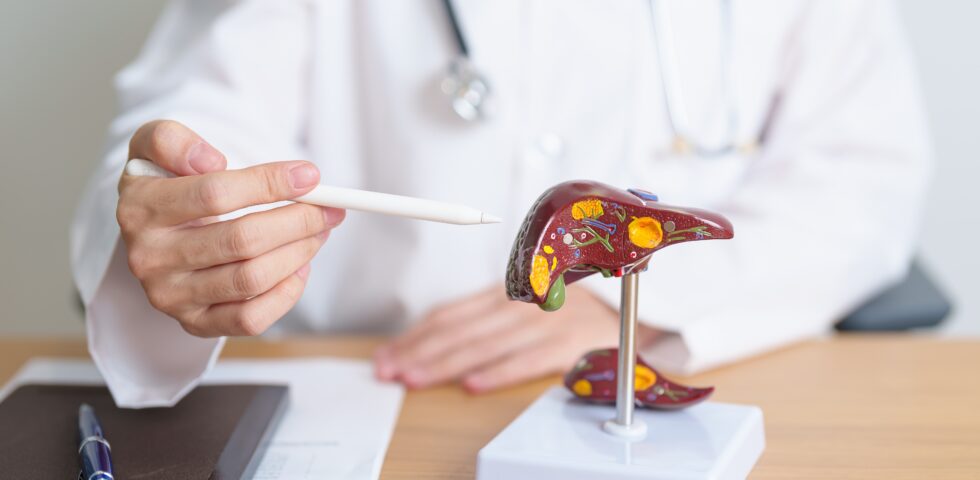
Fatty liver disease is one of the fastest-growing health conditions worldwide, affecting millions of people—many without even knowing it. Often referred to as a “silent disease,” it can develop without noticeable symptoms but may lead to serious complications if ignored.
The good news? Fatty liver disease is often reversible with the right lifestyle changes.
What Is Fatty Liver Disease?
Fatty liver disease occurs when excess fat builds up in liver cells. While a small amount of fat is normal, it becomes a concern when fat accounts for more than 5–10% of the liver’s weight.
There are two main types:
- Alcoholic fatty liver disease (AFLD): Caused by heavy alcohol consumption
- Non-alcoholic fatty liver disease (NAFLD): Occurs in people who drink little or no alcohol
Non-alcoholic fatty liver disease (NAFLD) is the most common type and is strongly linked to poor diet and lifestyle habits.
What Causes Fatty Liver?
Understanding the causes of fatty liver is key to preventing and reversing it.
Common causes and risk factors include:
- Diet high in sugar, refined carbohydrates, and processed foods
- Obesity or excess body weight
- Sedentary lifestyle
- Insulin resistance and type 2 diabetes
- High cholesterol and triglyceride levels
- Excessive alcohol intake
When the body consumes more calories than it burns, the excess energy is stored as fat—including in the liver.
The Role of Inflammation in Fatty Liver Disease
Inflammation plays a critical role in the progression of fatty liver disease.
In the early stages, fat accumulation may not cause significant harm. However, over time, this fat can trigger chronic inflammation in the liver. The immune system responds by releasing inflammatory chemicals, which begin to damage liver cells.
This ongoing inflammation can:
- Injure liver tissue
- Lead to fibrosis (scarring)
- Disrupt normal liver function
When inflammation persists, fatty liver can progress to non-alcoholic steatohepatitis (NASH)—a more severe form of liver disease that includes both fat buildup and inflammation. NASH significantly increases the risk of cirrhosis, liver failure, and liver cancer.
What Triggers Inflammation?
Several lifestyle factors can worsen inflammation:
- High sugar and ultra-processed food intake
- Excess belly fat
- Lack of physical activity
- Poor gut health
- Chronic stress
How to Reduce Liver Inflammation
You can lower inflammation naturally by:
- Eating anti-inflammatory foods (leafy greens, berries, fatty fish, nuts)
- Reducing sugar and processed foods
- Exercising regularly
- Getting enough sleep
- Managing stress effectively
Reducing inflammation is one of the most important steps in reversing fatty liver disease.
Fatty Liver Symptoms
Fatty liver disease often has no symptoms in its early stages. When symptoms do appear, they may include:
- Fatigue
- Mild pain or discomfort in the upper right abdomen
- Unexplained weight gain
In more advanced stages, symptoms may include:
- Jaundice (yellowing of the skin and eyes)
- Abdominal swelling
- Weakness and confusion
Why Fatty Liver Disease Is Dangerous
If left untreated, fatty liver disease can progress into more serious conditions:
- Non-alcoholic steatohepatitis (NASH)
- Fibrosis (liver scarring)
- Cirrhosis (severe liver damage)
- Liver failure or liver cancer
Early intervention is essential to prevent long-term damage.
How to Reverse Fatty Liver Naturally
1. Follow a Liver-Friendly Diet
Focus on:
- Whole, unprocessed foods
- Vegetables and fruits
- Whole grains
- Lean protein (fish, chicken, legumes)
- Healthy fats (olive oil, nuts, seeds)
Avoid:
- Sugary drinks
- Refined carbs
- Fried and processed foods
2. Lose Weight Safely
Losing just 5–10% of body weight can significantly reduce liver fat. Aim for gradual, sustainable weight loss.
3. Exercise Regularly
Aim for at least 150 minutes of moderate exercise per week, such as:
- Brisk walking
- Cycling
- Swimming
4. Limit or Avoid Alcohol
Alcohol can worsen liver damage, even in small amounts for some individuals.
5. Manage Blood Sugar and Cholesterol
Controlling underlying conditions like diabetes and high cholesterol is essential for liver health.
When to See a Doctor
You should seek medical advice if you:
- Have risk factors like obesity or diabetes
- Experience persistent fatigue or abdominal discomfort
- Have abnormal liver test results
Fatty liver is often detected through blood tests or imaging scans.
Final Thoughts
Fatty liver disease is a growing health concern—but it is also highly preventable and often reversible. By addressing key factors like diet, inflammation, and physical activity, you can significantly improve your liver health and overall well-being. Small, consistent lifestyle changes can make a big difference. Start today, and your liver will thank you.
If you’re ready to take the first step towards a healthier liver, then schedule an appointment with Dr. Robin Ridinger of Premier Health and Holistic Medicine in Leesburg, VA, today! With over 30 years of medical experience, Dr. Ridinger takes the time to analyze all treatment options and curate a health plan that works for you. Request an appointment on our website or over the phone today!
Call: (703) 857-4280
Contact Us: Gut Health & Digestive Issues – Leesburg, VA | Premier Health
