
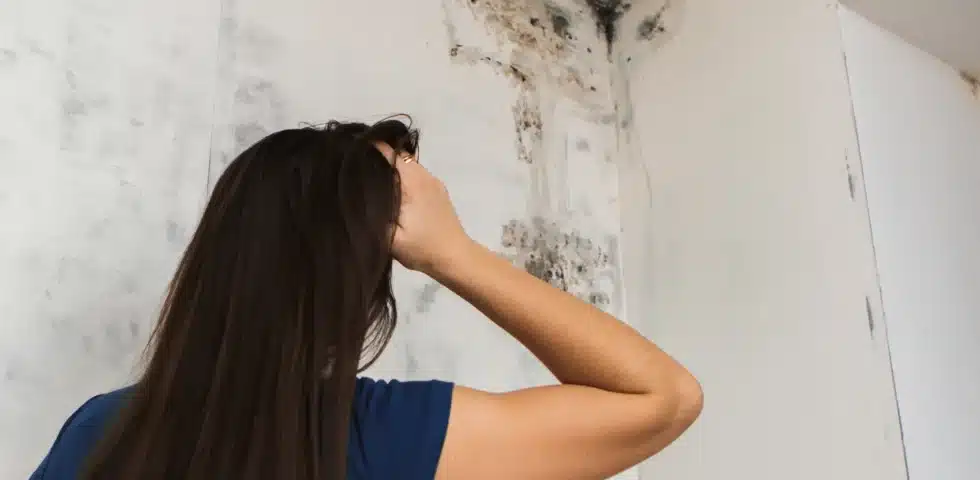
There’s nothing quite like the awe of a renovated kitchen or bathroom; new cabinets, new countertops, and maybe even some new appliances or fittings. But before you could admire your new layout, you had to tear out all the old fixtures and countertops only to reveal greenish black spots all over the wall that had been hidden for who knows how long. While there’s no need to panic, there is a need to kill the mold and be mindful of your health as you may unknowingly have symptoms of mold toxicity from long term exposure.
What is Mold?
Before delving into mold toxicity, it is important to understand what mold is and how it forms. The United States Enviornmental Protection Agency define mold and how it forms as such, “Molds are a natural part of the environment and can be found almost anywhere that moisture and oxygen are present. They belong to the kingdom Fungi and live in moist places such as soil, plants and dead or decaying matter.” The combination of moisture and oxygen are a large factor to why mold is often found in places such as kitchens, bathrooms, and basements. However, it is important to note that not all molds are alike, and they come in different shapes, sizes, and colors and vary when it comes to impacting your health and wellbeing.
Symptoms and Side Effects of Mold Toxicity
Some common symptoms to mold exposure and toxicity may include, but are not limited to the following:
Difficulty concentrating, brain fog, poor memory
- Pain and/or headaches
- Unexplained weight gain or weight loss
- Numbness and tingling in extremities or other areas of the body
- Coughing, wheezing, shortness of breath
- Vertigo or dizziness
- Digestive issues
- Chronic fatigue
- Mood swings
- Symptoms that resemble hormone imbalances
Side effects of mold exposure and toxicity may include, but are not limited to the following:
- Respiratory issues
- Allergic reactions
- Weakened immune system
- Death (in extreme cases)
When it comes to the symptoms and side effects of mold exposure and toxicity, it is always important to speak with a healthcare professional regarding any concerns you may have with your health and wellbeing.
Treating Mold Toxicity, Part 1: Home
As you probably have guessed, the main method to treat mold toxicity is to completely eradicate the mold spores at their source and prevent new ones from forming by using mold killing products such as Concrobium Mold Control which completely eradicates mold at its source, unlike bleach which only penetrates the surface level and may make the problem worse.
Treating Mold Toxicity, Part 2: Health
When it comes to treating your body against mold toxicity, treatments may include, but are not limited to the following:
- Vitamins
- Supplements
- Mold Binders
- Detoxification
- Antifungal medications
- Immunotherapy
- Allergy medications
As with any treatment, it is important to speak with a healthcare professional to discover what works best for you.
Conclusion
Healing from mold exposure requires a methodical approach to detoxification and environmental awareness. However, if you have been treating mold but suspect underlying tick-borne infections are also stalling your progress, it is vital to look at the whole picture. Learn more about the critical connections between [http:///lyme-babesia-bartonella-mold-toxicity-treatment]mold toxicity and stealth co-infections to see how these conditions work together to suppress your immune system
Phone #: (703) 857-4280
Website: https://www.premierhealthandholisticmedicine.com/contact/
